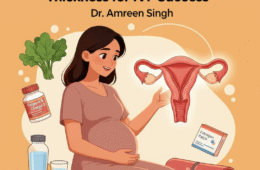
Infertility can be an emotionally challenging experience, and for many hopeful parents, IVF (in vitro fertilisation) offers a beacon of hope. But did you know that one critical factor in the success of IVF is endometrial thickness? A healthy endometrium—the lining of the uterus where the embryo implants—is essential for nurturing a pregnancy.
If you’re exploring fertility treatments or seeking ways to improve your IVF outcomes, understanding how to boost endometrial health is key. This post will guide you through everything you need to know about endometrial thickness, its role in IVF, the factors that affect it, and practical steps you can take to optimise it.
Understanding Endometrial Thickness
What Is the Endometrium, and Why Does It Matter?
The endometrium is the inner lining of your uterus that undergoes periodic changes during your menstrual cycle. It plays a crucial role in reproduction, as it provides a nourishing environment for the implantation of a fertilised embryo.
For IVF success, the thickness of the endometrium must be optimal. A lining that’s too thin may struggle to support implantation, which directly impacts the outcome of the procedure.
Normal Range of Endometrial Thickness
Medical professionals typically measure endometrial thickness using ultrasound. For a successful implantation, a lining thickness between 7mm and 14mm is generally considered ideal. However, these ranges can vary depending on individual health and medical history.
Factors Affecting Endometrial Thickness
Age
Age greatly impacts endometrial health. Women over the age of 35 often experience thinner linings due to hormonal fluctuations and decreased estrogen levels.Hormone Levels
Hormones, particularly estrogen and progesterone, regulate endometrial growth and receptivity. Low levels of these hormones can hinder proper development.Reproductive History
Previous uterine surgeries, miscarriages, or conditions such as Asherman’s Syndrome (uterine scarring) can negatively affect the uterine lining.Underlying Health Conditions
Conditions like polycystic ovary syndrome (PCOS), endometriosis, or other chronic illnesses may interfere with the body’s ability to produce a healthy uterine lining.
Understanding these factors is essential in identifying and tackling barriers to achieving an optimal uterine environment.
Why Endometrial Thickness is Critical in IVF
Endometrial thickness isn’t just a number for the IVF process—it serves as a direct indicator of implantation success. A thin lining may lack the vascularisation (blood flow) and structure needed to support an embryo.
Evidence in Practice
Consider this real-life example:
A 32-year-old woman was diagnosed with thin endometrium due to a history of hormonal imbalances. After targeted treatments, including supplements and medical interventions, her lining grew from 6mm to 10mm. The result? A successful implantation and a healthy pregnancy.
Such cases highlight the significant correlation between endometrial health and IVF success rates.
Methods to Increase Endometrial Thickness
Enhancing your endometrial thickness often requires a combination of lifestyle changes, supplements, and medical therapies. Here’s a breakdown of effective methods:
Non-Invasive Approaches
- Dietary Changes
- Incorporate foods rich in estrogen-boosting nutrients, such as flaxseeds, nuts, and soy products.
- Aim for a diet high in leafy greens, omega-3 fatty acids, and lean proteins to promote overall uterine health.
- Supplements
- Consider supplements like Vitamin E, L-Arginine, or Coenzyme Q10, as these are often recommended to improve blood flow to the uterus.
- Always consult a doctor before starting any supplements.
Lifestyle Modifications
- Simple lifestyle tweaks, such as practicing stress reduction techniques (yoga or meditation), maintaining a healthy BMI, and staying hydrated, can make a significant difference.
Medical Interventions
- Hormonal Therapies
Doctors may prescribe estrogen patches or pills to directly stimulate endometrial growth. Progesterone supplements can also enhance receptivity during the luteal phase of the cycle. - Endometrial Scratching
This procedure involves creating small, controlled injuries to the lining of your uterus, which promotes cell regrowth and improves receptivity for embryo implantation. - Novel Treatments
- Stem Cell Therapy
Recent studies suggest that stem cell therapy stimulates regeneration in women with severely thin endometria, offering new hope for difficult cases. - Platelet-Rich Plasma (PRP) Therapy
PRP uses growth factors to heal and rejuvenate uterine tissue. It’s still an emerging treatment but has shown promising results.
Consulting with an experienced fertility specialist in Noida, such as Dr. Amreen Singh, is the best way to explore these treatments and determine the right course of action.
When to Seek Professional Help
If you’re struggling to conceive or concerned about your endometrial thickness, consulting a fertility expert can provide clarity and direction.
Why Speak to a Specialist?
Fertility specialists like Dr. Amreen Singh, a leading IVF specialist in Noida, use advanced technology to diagnose and treat issues impacting endometrial health. Depending on your condition, you may be introduced to IVF, intrauterine insemination (IUI), or hormonal therapies.
Inspiring Success Stories
Real-life testimonials can offer hope and motivation. One of Dr. Amreen Singh’s patients, a 38-year-old woman, achieved pregnancy after undergoing hormone therapy and guided dietary modifications to improve her lining. Stories like hers remind us that proactive steps can lead to life-changing outcomes.
Take Proactive Steps for Your Fertility Journey
Endometrial thickness is a vital factor in successful IVF treatments. By understanding how to optimise your uterine health and seeking professional guidance, you can significantly improve your chances of achieving your dream of parenthood.
If you’re in Noida, why not schedule a consultation with Dr. Amreen Singh, a trusted fertility and IVF specialist? With advanced techniques and a compassionate approach, she can guide you towards the solutions that suit your unique needs.
📍 Clinic Address: D-31, Block D, Sector 47, Noida, UP 201303
📍 Hospital Address: Sector 128, Shahpur Govardhanpur Bangar, UP
Start your fertility health journey today—because every step forward matters.